North York Heritage Lock & Key Service Team
Local locksmith team
Sep 18, 2026 12 min read
If you've ever watched a toddler figure out a door handle in under thirty seconds, you already know that standard residential locks weren't designed with curious kids in mind. For Toronto parents — whether you're in a semi-detached in North York, a condo-adjacent townhouse near Yonge and Sheppard, or a detached home in Scarborough — childproofing your locks is one of those projects that feels optional right up until it isn't. The good news is that modern hardware options, combined with a few smart installation choices, can create genuine barriers for small hands without turning your home into a fortress that adults struggle to navigate.
This guide walks you through the real decisions: which lock types actually deter kids, how to layer protection on deadbolts and knobs, when a simple cover is enough, and when it's worth upgrading the hardware entirely. We'll also touch on how changing a lock or updating a door lock code fits into a broader childproofing plan — because keeping kids safe and keeping your home secure aren't two separate goals.
## Start With a Door-by-Door Safety Audit
Before buying a single cover or guard, walk through your home and categorize every door by risk. Front and back exterior doors are your primary concern — these lead outside, and a child who figures out how to work a door knob lock and slip out unsupervised is a genuine emergency scenario. Interior doors leading to utility rooms, garages, staircases, or home offices with hazards (tools, medications, cleaning supplies) are your secondary tier. Doors to bedrooms and bathrooms fall into a third category where privacy hardware matters more than security. Write down what hardware currently lives on each door: is it a standard passage knob, a keyed deadbolt, a lever handle, a mortise lock, or a keypad? That inventory becomes your shopping list.
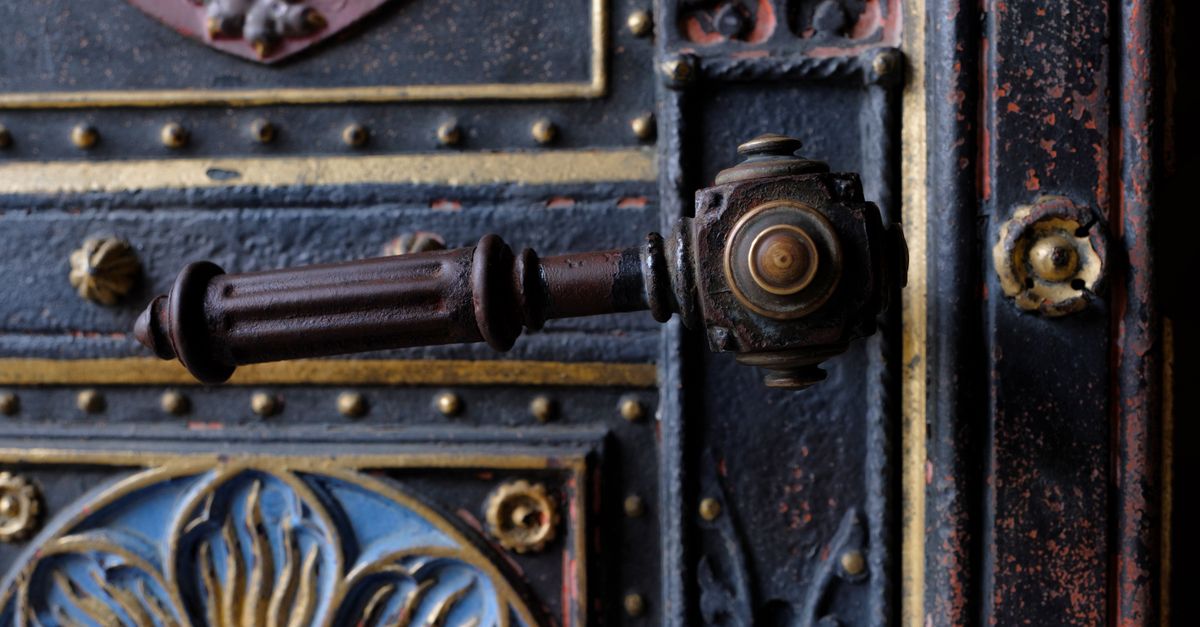
Pay special attention to any door fitted with a mortise lock — the rectangular lock body that sits recessed inside the door edge, common in older Toronto homes and Victorian-era houses throughout the Annex, Roncesvalles, and parts of East York. Mortise locks are robust and hard for adults to defeat, but their lever-style trim can actually be easier for children to operate than a round knob because levers require no gripping strength. If your mortise lock setup uses a lever handle, that door should be near the top of your upgrade list.
## Choosing the Right Childproof Hardware for Door Knob Locks and Deadbolts
For round door knob locks, friction-based knob covers are the most accessible first step. These plastic shells spin freely when a small hand grabs them, preventing the grip-and-turn motion children need to open the door. They're inexpensive and tool-free to install, though they're not a permanent security solution — a determined five-year-old who's watched adults use the door enough times will eventually learn to squeeze the sides. For higher-risk doors, pair a knob cover with a door knob lock reinforcement plate and a sliding door bar or chain latch mounted high on the door frame, well above a child's eye level and reach.
Deadbolt guards are a meaningful upgrade for exterior doors. A double-cylinder deadbolt — which requires a key on both sides — prevents a child from simply unlocking the door and walking out, but it also creates a fire egress problem that Ontario's building and fire codes take seriously. A better approach is a single-cylinder deadbolt with a thumb-turn cover: a small plastic shell that snaps over the interior thumb turn and requires an adult-strength pinch-and-press motion to operate. These are widely available at hardware stores and take about five minutes to fit. If you're considering how to change a lock entirely rather than just adding a cover, a keyed-lever or keyed-knob replacement on interior hazard doors gives you the most control — adults carry a key, kids can't operate it at all.
## Smart Lock Codes and Keypad Doors: Keeping Kids Out (and In)
Keypad door locks have become genuinely popular in Toronto homes over the last decade, and they offer a useful childproofing angle that pure mechanical locks can't: you can program short-window access codes or enable auto-locking features. If you already have a keypad lock and want to restrict access, knowing how to change the code on a keypad door lock is essential — most brands (Schlage and Kwikset both have strong residential lines) have a straightforward process involving a programming button inside the door panel and a master code sequence. Check your specific model's manual for the exact steps, since the process for how to change a door lock code varies between brands and firmware versions. The short version for most standard models: enter your existing master code, press the program button, then enter and confirm your new code. If you've lost the manual or the keypad isn't responding, a trained locksmith can reset the unit without damaging the door prep.
For families with older children who need occasional access — after-school entry, for example — temporary or time-restricted codes mean you don't have to hand over a permanent combination. Knowing how to change the code on a door lock seasonally, or whenever a code has been shared too widely, is a simple habit that keeps your access control meaningful. If your keypad is malfunctioning or you're unsure whether the lock was properly rekeyed after you moved in, that's a good time to call our team. North York Heritage Lock & Key handles keypad programming, rekeying, and full lock replacement across Toronto — reach us any time at (437) 476-0564.
## When to Upgrade, Rekey, or Replace: A Practical Decision Tree
There's a logical order to childproofing your locks that also happens to align with good general security practice. First, if you've recently moved into your Toronto home or had keys copied for contractors, babysitters, or previous tenants, you should know how to rekey a lock — or have a professional do it. Rekeying changes the internal pin configuration so that old keys no longer work, without replacing the entire lock body. It's faster than a full swap, preserves the existing hardware, and is the right move when the lock itself is in good shape but key control has been lost. For childproofing, rekeying also matters on any door that previously had a simple passage function and you're converting to a keyed entry to keep kids out of a hazard room.
If the lock is worn, a poor fit, or you're upgrading to a higher-security grade, that's when you'd look at how to change a lock outright. For exterior doors, moving from a builder-grade knob to a Grade 1 deadbolt with a mortise lock body significantly raises the difficulty for both small children and anyone attempting unauthorized entry. Our team handles mortise lock installation and servicing as a core specialty — these locks are mechanically complex, require precise door prep, and are worth having installed by someone experienced rather than attempting as a first DIY project. For interior hazard doors, a keyed knob of any reasonable grade is usually sufficient. And for high-traffic family doors where you want convenience without sacrificing security, a keypad or smart lock replacement is worth a conversation.
## Layers That Actually Work: Combining Hardware With Habits
No single product makes a door childproof indefinitely — kids grow, observe, and experiment. The most effective approach is layered: physical hardware barriers combined with consistent adult habits and age-appropriate conversations. On exterior doors, use a deadbolt or mortise lock as your primary barrier, add a door alarm (a simple contact alarm that chimes when the door opens) as a secondary alert, and keep the door knob lock in the locked position as a third layer. For sliding glass doors to a backyard — a common concern for Toronto homes with decks — a secondary bar lock or pin lock in the track is harder for kids to defeat than a standard latch alone. Door handle covers work well on lever handles in hallways leading to stairwells.
One habit that's easy to overlook: know your own locks. If an emergency locksmith visit, a lock service call, or even a lock change is something you've been putting off because the process feels unclear, consider that a locked-out scenario with a child on one side of a door is genuinely stressful. Having a spare key held by a trusted neighbor — not hidden under a mat — and knowing exactly which key operates which lock in your home removes a lot of that anxiety. Our mobile team serves Toronto and the surrounding area around the clock; whether it's a scheduled upgrade, a rekeying after a move, or an unexpected lockout, you can reach North York Heritage Lock & Key at (437) 476-0564 any time, day or night.
## Our Residential and Commercial Locksmith Services in Toronto
North York Heritage Lock & Key offers a comprehensive range of locksmith services for homeowners, tenants, and business owners across Toronto. Our core services include: residential lock installation and replacement; mortise lock installation, repair, and servicing; deadbolt installation and upgrade; knob and lever lock replacement; keypad and smart lock programming and troubleshooting; how to change a lock consultations and hands-on service; rekeying single locks, sets, or entire properties; master key system design and installation; high-security lock upgrades; door hardware alignment and adjustment; lock lubrication and preventive maintenance; lockout response for homes and apartments; emergency locksmith dispatch available 24 hours a day, 7 days a week; after-hours lockout service for late-night and early-morning calls; sliding door lock installation and repair; window lock installation; mailbox lock replacement; storage unit lock service; garage door lock and handle repair; commercial locksmith services including office and retail lock installation; commercial deadbolt and access control hardware; push bar and panic hardware installation; tenant changeover rekeying for landlords; door closer and hardware adjustment for commercial doors; safe opening and combination change; and vehicle lockout response and car key solutions. The final price for any service depends on the type of lock or hardware involved, the time of day, travel distance to your location, and any parts required — we confirm an exact price with you before any work begins.
## Why Mortise Locks Deserve a Spot in Your Childproofing Plan
If you're doing a full lock audit with child safety as the goal, mortise locks are worth understanding separately from the more common cylindrical lock formats. A mortise lock sits inside a pocket (the mortise) cut into the door edge, with a bolt and latch mechanism that is significantly more robust than a standard bored cylindrical lock. In Toronto's older housing stock — particularly in neighborhoods like Davenport, Leslieville, or parts of North York with pre-war construction — mortise locks were standard, and many of those units still have original or early-replacement mortise hardware in place. These locks are generally harder to defeat, which is a genuine child safety advantage on exterior doors, but the trim options matter. If your mortise lock currently has a lever handle, replacing the trim with a round knob version (or adding a lever cover) reduces a young child's ability to operate it. Our team works with mortise lock hardware regularly and can advise on trim swaps, repairs, and full replacements based on your door prep and security priorities.
Frequently asked questions
How do I keep my toddler from unlocking the front door deadbolt?+
The most effective approach is a thumb-turn cover — a plastic housing that snaps over the interior deadbolt thumb turn and requires a firm adult pinch to operate. Pair it with a door alarm so you're alerted the moment the door is opened. If your deadbolt is older or a builder-grade unit, this is also a good time to consider whether rekeying the lock or upgrading to a higher-grade deadbolt makes sense. Our team can assess your current hardware and recommend the right combination of products during a service call — reach us at (437) 476-0564 any time.
Is it safe to use a double-cylinder deadbolt to keep kids inside?+
A double-cylinder deadbolt — which requires a key on both sides — does prevent a child from unlocking and opening the door from inside. However, it also removes the ability to exit quickly in a fire or other emergency without finding a key first. Ontario fire codes and safety guidance recommend that key-operated locks on egress doors be used with extreme caution, and that keys be kept immediately accessible near the door (visible to adults, but out of reach of children). For most families, a single-cylinder deadbolt with a thumb-turn cover achieves child containment with far less egress risk. If you're unsure which setup suits your home and family, we're happy to walk through the options with you.
Can a locksmith change or reset the code on my keypad door lock?+
Yes. If you've forgotten how to change the code on your keypad door lock, lost the manual, or the programming sequence isn't working, a trained locksmith can reset or reprogram the unit. The process varies by brand and model — what works for one Schlage keypad may differ from a Kwikset or other manufacturer's steps. In some cases, a factory reset is needed, which clears all stored codes and lets you start fresh. This is a common service call and takes relatively little time. Factors that affect the final price include the lock model and whether any parts need replacing — we confirm the exact cost before doing any work.
What is rekeying, and should I do it before childproofing my locks?+
Rekeying changes the internal pin configuration of your existing lock cylinder so that only a new key works — old copies no longer function. It's a smart first step any time you've moved into a home, had keys made for contractors or caregivers, or simply aren't sure how many key copies are in circulation. From a childproofing perspective, rekeying also lets you convert a previously unkeyed passage door to a keyed entry, restricting access to hazard rooms. A professional locksmith can rekey individual locks or your entire home in a single visit. If you're in Toronto and ready to get started, call North York Heritage Lock & Key at (437) 476-0564 — we're available around the clock, including evenings and weekends.