North York Heritage Lock & Key Service Team
Local locksmith team
Sep 4, 2026 10 min read
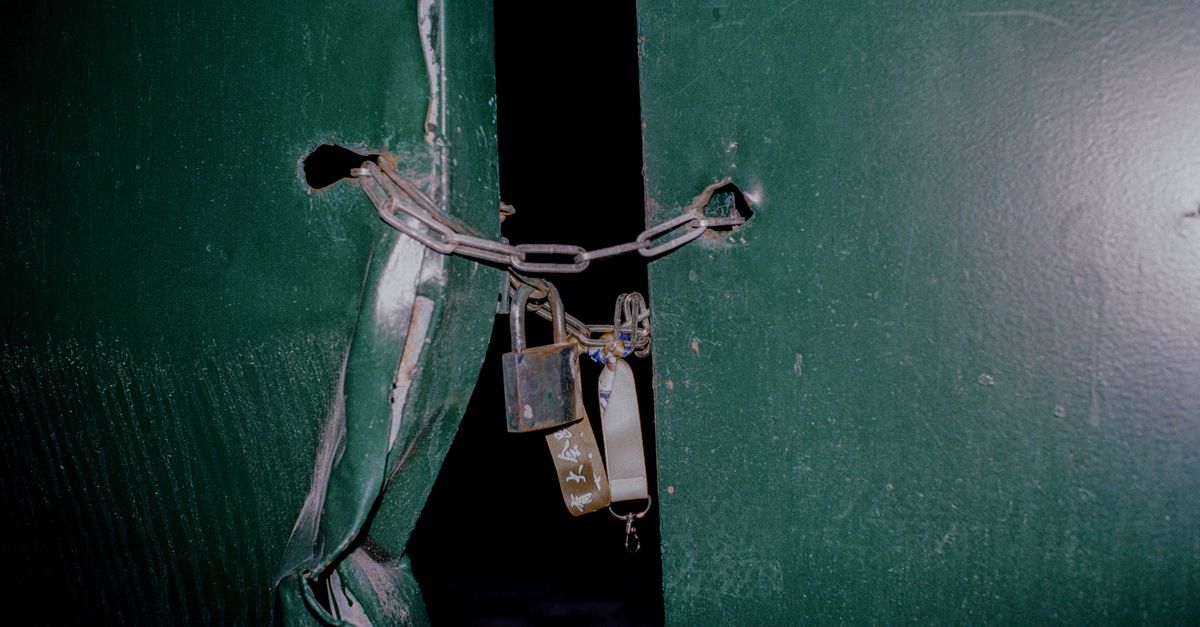
A break-in is one of the most unsettling things a Toronto homeowner can experience. Whether someone forced through your front door on a quiet North York street or pried open a basement window while you were out, the hours immediately after a break-in are critical — not just for the police investigation, but for getting your home secure again before another night falls.
This guide walks you through exactly what to do, step by step, from the moment you discover the intrusion to getting your locks upgraded and your family feeling safe again. We cover the practical, the legal, and the security side — including why calling an emergency locksmith should be one of your first calls, right alongside 911.
## Step 1 — Do Not Go Inside. Call 911 First.
The instinct to rush in and check on your belongings is completely understandable, but it can put you in real danger. If you arrive home to signs of forced entry — a broken door frame, a smashed door knob lock, a window left open — stop at the threshold. The intruder may still be inside. Move back to your car or a neighbour's home and call 911 immediately. Toronto Police Service dispatchers will guide you on what to do while officers are en route. In North York and Scarborough, response times for break-in calls are generally prioritized, but stay on the line until officers arrive and clear the property.
Once police confirm it is safe to enter, avoid touching anything before officers have walked through the scene. Do not tidy up, move broken glass, or reset a damaged mortise lock or deadbolt. Investigators will photograph and document the point of entry, and disturbing evidence — even innocently — can complicate an insurance claim or a criminal case down the line.
## Step 2 — Document Everything Before Touching Anything
After police clear your home, your next job is thorough documentation. Use your phone to photograph every point of entry: the kicked-in door frame, the defeated mortise lock, the forced window latch, the scratched door knob lock cylinder. Photograph missing items, overturned drawers, and any damage to furniture or walls. Video walkthroughs work especially well because they capture spatial context that still photos miss.
Get the occurrence number from the attending officers — you will need this for your home insurance claim. Call your insurance provider as soon as possible to report the break-in and ask specifically about emergency repair coverage. Many Toronto home insurance policies include coverage for emergency lock replacement and temporary boarding, but the insurer typically requires you to report within 24 hours. Keep receipts for everything you spend on emergency security measures, as these are often reimbursable.
## Step 3 — Call an Emergency Locksmith Toronto — Secure Your Home the Same Night
This is the step homeowners sometimes delay, and it is the one that matters most for your immediate safety. A broken door frame or a compromised mortise lock is an open invitation — any opportunist who watches enough of your street knows your home was just hit and may be an easy target again the same night. An experienced emergency locksmith can assess every point of entry, replace or rekey damaged hardware, and install higher-grade locks before you go to sleep.
At North York Heritage Lock & Key, our mobile team serves the full Toronto area around the clock. We carry mortise lock sets, deadbolts, Schlage and Kwikset cylinders, and reinforced strike plate hardware on our vans so we can handle most installations in a single visit. Before any work starts, we give you a clear, confirmed price — no surprises on the invoice. The final quote depends on factors like the type of lock, the extent of door frame damage, the hardware needed, and the time of the call, but you will know the exact number before we pick up a single tool. To get someone out to your door tonight, call us at (437) 476-0564 — we answer 24/7.
## Step 4 — Assess Every Lock in the House, Not Just the Entry Point
Once the immediate breach is secured, a thorough security audit of the whole property is essential. Burglars often scout a home in advance and know about secondary entry points — the side gate, the back patio door, the basement utility window. Even locks that were not touched during the break-in may be older, worn, or lower-grade hardware that would not hold up to a determined attempt. This is the right time to replace every door knob lock on exterior doors with a proper deadbolt if you have not already done so, and to upgrade any mortise lock that has a worn cylinder or a loose faceplate.
Our team will check every exterior door and window lock, test door frame integrity, and flag any hardware that would not meet a basic forced-entry standard. We also assess sliding doors — a common weak point in Toronto semis and detached homes — and can install secondary blocking bars or upgraded locking mechanisms. If your property includes a detached garage or a rental suite with a separate entrance, those locks should be rekeyed at the same time. A single visit from a skilled locksmith can address the whole perimeter in one appointment.
## Step 5 — Upgrade Your Security Strategy Going Forward
Replacing damaged locks is the floor, not the ceiling, of what you should do after a break-in. Consider these additional layers that Toronto homeowners in neighbourhoods like Willowdale, Lawrence Park, and the Beaches have used effectively after a security incident. First, rekey all locks that were not replaced — rekeying renders any key copied by the intruder useless, and it costs less than a full lock swap. Second, install a high-security mortise lock on your front door if you have not already; mortise locks sit deeper into the door frame than surface-mounted locks and are significantly harder to kick or pry. Third, look at your exterior lighting: motion-activated LED fixtures on side passages and rear yards are one of the highest-deterrent, lowest-cost upgrades available.
Fourth, consider a door reinforcement kit for any door that was kicked in — replacing the lock alone without addressing the frame means the door is still vulnerable. Strike plates with three-inch screws that anchor into the wall stud (not just the door casing) make a dramatic difference. Fifth, if your building or property has shared access points — a condominium lobby, a shared laneway, or a garage with a common remote — notify your property manager immediately so building-wide security can be reviewed. North York Heritage Lock & Key also works with property managers and landlords as a commercial locksmith for multi-unit buildings, master key systems, and access control, so one call covers both residential and commercial security needs on the same property.
## What If You're Locked Out After the Break-In Is Resolved?
It happens more than you might expect: after a chaotic evening of police visits, insurance calls, and temporary repairs, a homeowner realizes their only set of keys was taken in the burglary — or the emergency locksmith installed a new lock and the spare key has not yet been made. If you find yourself in a situation where you need to know what to do if locked out of your house in circumstances like these, the answer is the same as any other lockout: call a professional. Do not attempt to force entry on your own newly secured door, and do not leave a window unlocked as a workaround.
What to do when locked out of your house after a security incident is genuinely stressful, but it is also one of the most straightforward calls we handle. Our mobile team carries blank key stock for most residential lock brands and can cut new keys on-site. We can also provide multiple copies on the spot so you, a trusted family member, and a neighbour all have a key — a simple step that prevents future lockouts. If you get locked out of your house at any hour, call (437) 476-0564 and we will have someone at your door as quickly as possible.
## Our Full Range of Residential and Commercial Locksmith Services
North York Heritage Lock & Key provides the following services across Toronto and the surrounding area: emergency lockout response for homes and businesses, mortise lock installation and repair, deadbolt installation, door knob lock replacement, lock rekeying, high-security cylinder upgrades, master key system design and installation, key duplication and on-site cutting, broken key extraction, lock repair after forced entry, door frame and strike plate reinforcement, sliding door lock installation, window lock installation, mailbox lock replacement, padlock sales and installation, garage door lock service, intercom and buzzer lock integration, commercial locksmith services for offices and retail units, building-wide master key systems for landlords and property managers, access control system consultation, safe installation and combination changes, condominium suite lock replacement, post-renovation lock changeover, tenant move-out rekeying for rental properties, lock upgrades for detached garages and laneways, and 24/7 mobile emergency response across the Greater Toronto Area.
Frequently asked questions
How quickly can an emergency locksmith get to my Toronto home after a break-in?+
Our mobile units are stationed across the Toronto area, including North York, Scarborough, Etobicoke, and the downtown core, so response times are generally fast — especially for after-hours emergencies. Exact timing depends on your location and current call volume, but we prioritize break-in calls because we understand the urgency. Call (437) 476-0564 and our dispatcher will give you a realistic ETA right away.
What to do if you are locked out of your house after the locksmith installed new locks and your only key was stolen?+
This is a very common post-break-in situation. The straightforward answer is to call a professional locksmith rather than attempt any workaround that could damage your new hardware or create another security gap. We can open the lock non-destructively, verify you are the resident, and cut you a new set of keys on the spot — usually in a single visit. We always verify ownership before gaining entry, which also protects you as a homeowner.
Should I replace or rekey my locks after a break-in?+
It depends on the condition of the hardware. If the lock was physically damaged during the break-in — a bent mortise lock body, a cracked door knob lock housing, a sprung deadbolt — replacement is the right call because the internal mechanism may be compromised even if it appears to function. If the lock itself was not touched (for example, the door was kicked rather than the cylinder picked), rekeying is often sufficient and more cost-effective. Our team will inspect every lock on-site and give you an honest recommendation for each one before any work begins.
Does my home insurance cover emergency lock replacement after a break-in?+
Many Toronto home insurance policies do include coverage for emergency lock replacement following a confirmed break-in, but the specifics vary by policy and provider. The key steps are: get a police occurrence number, call your insurer within 24 hours, keep all receipts, and ask specifically about emergency security repair coverage. We can provide an itemized receipt that meets most insurers' documentation requirements. Always confirm the details directly with your insurance provider, as policy terms differ.