North York Heritage Lock & Key Service Team
Local locksmith team
Aug 14, 2026 11 min read
If you've just moved into a new place on Yonge Street, handed out one too many spare keys, or simply want tighter control over who can walk through your front door, rekeying your locks is one of the smartest security moves you can make. It's faster and less disruptive than swapping out the whole hardware — but the big question most Toronto homeowners ask is: can you actually do it yourself, or is this a job better left to a professional locksmith?
The honest answer is: it depends. DIY rekeying kits exist, they work in specific situations, and some handy homeowners pull it off without a hitch. But there are just as many scenarios — mortise locks, smart locks, mismatched hardware, or simply the wrong kit — where a DIY attempt wastes your afternoon and leaves you with a lock that either won't turn or isn't actually secure. This article gives you a straight read on what rekeying really involves, what the kits can and can't handle, and when calling a trained locksmith in the Toronto area is simply the smarter call.
## How Do You Rekey a Lock — and What Is Actually Happening Inside It?
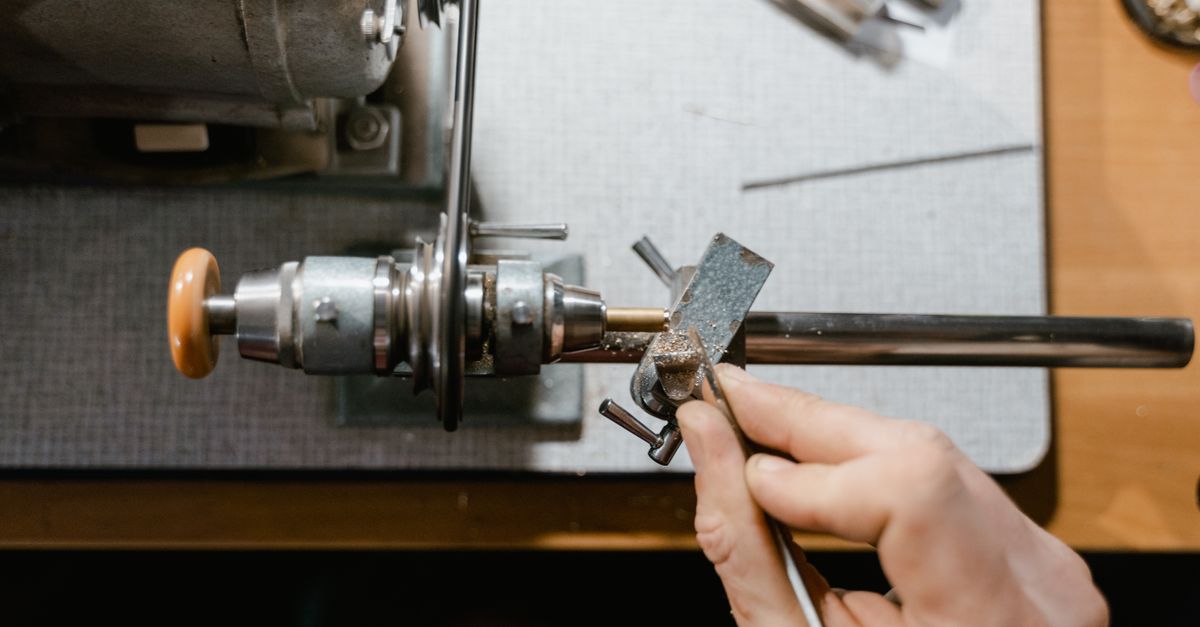
Rekeying changes the internal pin configuration of a lock cylinder so that your old key no longer works and a new key does. No new lock hardware is needed — just a fresh set of driver and key pins cut to match a new key bitting. On a standard pin-tumbler lock (the type found in most Kwikset or Schlage knob and deadbolt sets), the cylinder is removed from the door, a follower tool pushes the plug out, the old pins are emptied, and a new set sized to the new key is dropped in. Done carefully and in the right order, it takes a skilled hand about 10–15 minutes per lock.
The process sounds straightforward, but the details matter enormously. Pins are tiny — we're talking about components measured in thousandths of an inch — and they need to seat perfectly or the lock will bind, feel stiff, or fail to retract the bolt reliably. Losing a spring down a drain or forcing a plug back in at the wrong angle can turn a functioning deadbolt into an expensive paperweight. Before you crack open a kit, it's worth understanding exactly what type of lock you're dealing with, because not every lock rekeyes the same way — or at all.
## Can You Rekey Any Lock? The Hardware That Changes the Answer
Standard residential pin-tumbler deadbolts and door knob locks from major hardware brands are generally the most kit-friendly. Rekeying kits are sold specifically for these common formats, and if your home is fitted with matching cylinders from the same brand family, you may even be able to rekey a lock to match an existing key — meaning one key operates every door on the property. That's a genuinely useful outcome and worth attempting if your hardware is straightforward.
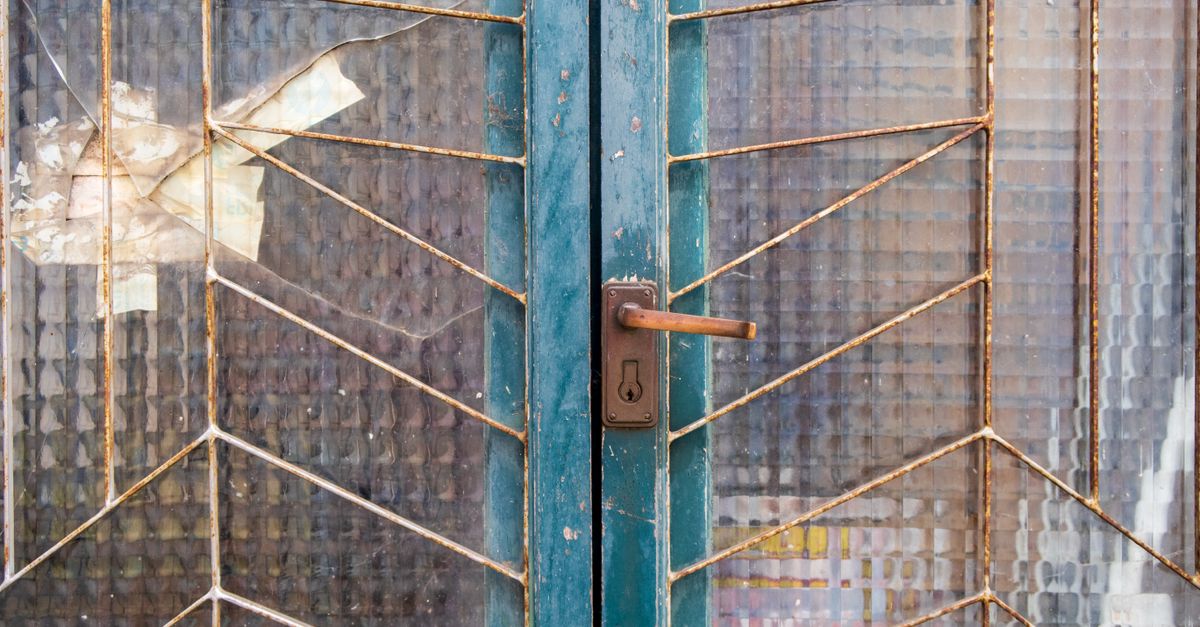
Where things get complicated fast is with mortise locks — the rectangular, multi-component lock bodies common in older Toronto homes, heritage properties, and a large share of North York's pre-war and mid-century housing stock. A mortise lock sits inside a pocket cut into the door edge and combines a latch, deadbolt, and sometimes a nightlatch into a single case. Rekeying a mortise lock requires disassembling that case, correctly identifying the cylinder format, sourcing the right pin kit, and reassembling everything so the cam aligns with the case's internal mechanism. This is firmly skilled-tradesperson territory — not because it's impossible, but because the margin for error is small and the cost of getting it wrong (a door that won't latch, a bolt that can be pushed back by hand) is a real security risk. The same caution applies to high-security cylinders with sidebar mechanisms or patented keyways, where DIY kits simply don't exist. And if you're in an apartment and wondering whether you can change the lock on your apartment door at all, the answer involves your lease agreement and your landlord's consent — a professional locksmith can advise on compliant options so you don't end up in a dispute.
## Smart Locks and Keypad Locks: Rekeying vs. Reprogramming
Can you rekey a smart lock? It depends entirely on the design. Many smart locks still contain a traditional key-override cylinder that can be rekeyed using standard methods — useful if you want the electronic credentials to change alongside the physical key. Some manufacturers have built proprietary rekeying tools into their ecosystem, letting you reset the cylinder without disassembly. Others use fixed cylinders that aren't designed to be rekeyed at all, meaning your only option is full replacement.
Keypad and combination-style locks raise a slightly different question: can you change the code on a keypad door lock? Almost always yes — most keypad locks have a reprogramming sequence accessed through the interior panel, and the manufacturer's manual walks you through it in a few minutes with no tools required. If you've lost the manual or the master code has been forgotten, a trained locksmith can reset the unit or, where necessary, replace the module. The one mistake homeowners make is confusing a code change with full security hardening — if the lock's physical cylinder hasn't been rekeyed or replaced after a break-in attempt, changing the code alone doesn't address any mechanical vulnerability.
## When to Skip the Kit and Call a Toronto Emergency Locksmith Instead
There are clear situations where a DIY attempt is the wrong move and calling a professional emergency locksmith is the faster, safer, and ultimately more practical choice. If you've just been locked out and don't have access to your tools, a rekeying kit isn't going to help you get back inside tonight — you need someone who can respond now. North York Heritage Lock & Key operates 24/7 across the Toronto area, from the Annex to Willowdale, from Lawrence Park to the Humber River communities, and we dispatch mobile units who arrive with the right equipment already on the truck. If you're on a street like Sheppard Avenue East at midnight dealing with a broken key in the cylinder, that's not the moment for a DIY project.
Beyond emergency lockouts, call a professional when: your door has a mortise lock; you're managing a commercial property where a commercial locksmith's work may need to meet insurance or building code expectations; you're rekeying after a break-in or attempted entry and you want the lock inspected for damage before trusting it again; or you simply have mixed hardware — different brands or generations of locks across one property — where getting a single-key solution requires a locksmith to correctly match or re-pin multiple cylinders. The cost factors for professional rekeying include the lock type, how many cylinders need attention, the time of day, and whether any parts need to be sourced on the spot. We confirm an exact up-front price before any work begins, so there are no surprises. If you'd rather know now than wonder later, call us at (437) 476-0564 — we're available around the clock.
Our services cover a wide range of residential, automotive, and commercial needs across Toronto: mortise lock rekeying and repair, deadbolt installation, door knob lock replacement, high-security cylinder upgrades, smart lock installation and reprogramming, keypad door lock setup, master key system design, residential lockout response, emergency locksmith call-outs, car lockout assistance, broken car key extraction, transponder key programming, car key duplication, ignition cylinder repair, safe opening and combination changes, commercial locksmith services for offices and retail, panic bar and exit device installation, access control system setup, door frame reinforcement, lock-grade upgrade assessments, mailbox lock replacement, storage unit lock changes, garage door lock repair, window lock installation, and post-break-in security evaluations.
## DIY Rekeying: A Realistic Skills and Tools Checklist
If you've decided your hardware is kit-compatible and you want to try it yourself, here's an honest inventory of what you actually need. Tools: a rekeying kit matched exactly to your lock brand (Kwikset kits don't work on Schlage cylinders and vice versa), a plug follower, a key decoder or pin gauge, needle-nose tweezers or a pinning tray, and a small flathead screwdriver. Most kits include the follower and a basic pinning tray, but the quality varies — a cheap kit with poorly sized pins can introduce slop into the cylinder even when installed correctly.
Skills required: the patience to work with very small parts over a surface where nothing can roll away, the ability to read a pin chart accurately, and ideally some prior experience taking apart mechanical components. You should also be comfortable re-installing the cylinder under spring tension without launching the retainer clip across the room. If you've successfully assembled a bicycle derailleur, built flat-pack furniture with actual precision, or done basic plumbing — you're likely in the right comfort zone. If mechanical tasks tend to end with a YouTube rabbit hole and a trip to the hardware store for a replacement part, the honest advice is to call a trained locksmith and have it done right the first time. Rekeying done correctly is not expensive in time or money for a professional, and it's a guaranteed outcome rather than a hopeful one.
Frequently asked questions
How do you rekey a door lock if I have a mortise lock in an older Toronto home?+
Mortise locks are significantly more involved than standard pin-tumbler deadbolts. The cylinder must be removed from the lock case, correctly identified by keyway and format, repinned with the right driver and key pin set, and reinstalled so the cam engages the case mechanism precisely. Because older Toronto properties — especially in neighbourhoods like Rosedale, the Annex, and parts of North York — often have vintage or non-standard mortise hardware, sourcing the correct pin kit can itself be a challenge. Our team carries a wide range of cylinder stock on every mobile unit and handles mortise lock rekeying regularly. It's one of those jobs where professional experience genuinely shortens the time and eliminates the risk of reassembly errors.
Can you rekey a lock to match an existing key so I only carry one key for my whole house?+
Yes — this is called keying alike, and it's one of the most practical reasons to rekey rather than replace locks outright. A locksmith measures the cuts on your existing key, determines the correct pin heights for each position, and repins each lock cylinder to match. The requirement is that all cylinders involved must accept the same keyway — meaning they need to be the same brand family or use a compatible keyway profile. If your home has a mix of brands or lock generations, some cylinders may need to be replaced rather than rekeyed to achieve a true single-key setup. We assess each door and give you a clear picture before any work starts.
Can you change the code on a keypad door lock without a locksmith?+
In most cases, yes. Standard keypad locks from common manufacturers have a reprogramming procedure accessible from the interior keypad — typically involving a master or programming code followed by a sequence to enter the new user code. Check the manual that came with the unit, or look up the model number online for the manufacturer's guide. Where homeowners run into trouble is when the master code has been lost, the lock has been taken over from a previous owner who didn't reset it, or the lock's firmware has an issue preventing normal reprogramming. In those situations, a trained locksmith can either perform a factory reset or, if needed, swap the electronic module. We also handle full smart lock installations if you're ready to upgrade.
What factors affect the price of rekeying locks in Toronto?+
Several things influence what you'll pay for professional rekeying: the type and brand of lock (a standard deadbolt takes less time and fewer specialized parts than a mortise lock or a high-security cylinder), the number of cylinders you need done, whether the job requires sourcing specific pin kits or replacement parts on the spot, the time of day (evening and overnight emergency calls involve different logistics than a scheduled daytime visit), and travel distance within the Toronto area. North York Heritage Lock & Key confirms an exact price before any work begins — you know the full amount upfront, with no after-the-fact additions. To get a clear quote for your specific situation, call us at (437) 476-0564 any time, day or night.