North York Heritage Lock & Key Service Team
Local locksmith team
Aug 28, 2026 11 min read
If you rent an apartment in Toronto — whether you're in a mid-rise on Yonge Street, a converted house near The Annex, or a newer build up in North York — your front door is your first and most important line of defence. But renters face a challenge that homeowners don't: you can't always just change a lock, swap out a deadbolt, or call a locksmith without your landlord's sign-off. The good news is there are smart, effective security upgrades that don't require permission, don't damage the door frame, and won't cost you your damage deposit.
This guide is written specifically for Toronto renters who want real security without lease violations. We'll walk through door hardware vulnerabilities, landlord-friendly upgrades you can install yourself today, and the situations where calling a professional locksmith — particularly for mortise lock service or a full rekeying — is not just helpful but necessary. Think of it as a practical checklist, not a sales pitch.
## Why Toronto Apartment Doors Are More Vulnerable Than You Think
Most rental units in Toronto, especially those in older buildings along corridors like Sheppard Avenue or in the dense mid-rises of Willowdale, still use door knob locks as the primary or only locking mechanism. A door knob lock offers far less resistance to forced entry than a deadbolt, and in older buildings the strike plate — the metal bracket on the door frame where the bolt lands — is often secured with screws that are less than an inch long. One solid kick to the door frame and that strike plate tears right out of the wood. This is one of the most common and underappreciated vulnerabilities in Toronto rental units.
The other issue is key control. When you move into a rental, you have no way of knowing how many copies of your key exist from previous tenants. Landlords are supposed to rekey between tenants, but this doesn't always happen. If you've never confirmed that your locks were rekeyed after the previous occupant left, you are likely sharing access with at least one stranger. This alone is a compelling reason to speak with your landlord about a professional rekeying — more on that below.
## Landlord-Friendly Upgrades: What You Can Do Without Permission
The good news is that several highly effective security products require no drilling, no permanent installation, and leave zero marks on the door or frame. Start with a door reinforcement plate, sometimes called a door armor or strike plate reinforcer. These heavy-gauge steel plates slide over the existing strike plate area and are held in place by much longer screws — typically three inches — that anchor into the door's structural framing rather than just the surface wood trim. This alone can increase kick-in resistance dramatically. Most hardware stores in Toronto carry these, and installation takes under twenty minutes with a screwdriver.
A portable door security bar — the kind that braces under the door handle and angles down to the floor — is another strong option, especially useful at night or when you're home. These require no installation at all and can be packed when you move. Chain locks and door reinforcement chains are also easy to add without damaging the door, provided you use a model that mounts with small screws your landlord is unlikely to object to. If you want an extra layer of alert rather than physical resistance, a door alarm wedge slipped under the door sounds a loud alarm when the door is pushed open. These cost very little and need no tools. Finally, a wide-angle peephole viewer is a low-profile upgrade almost any landlord will accept — and knowing who is on the other side of the door before you open it is a step many renters skip entirely.
## When to Call a Professional: Mortise Lock Service, Rekeying, and Door Knob Lock Upgrades
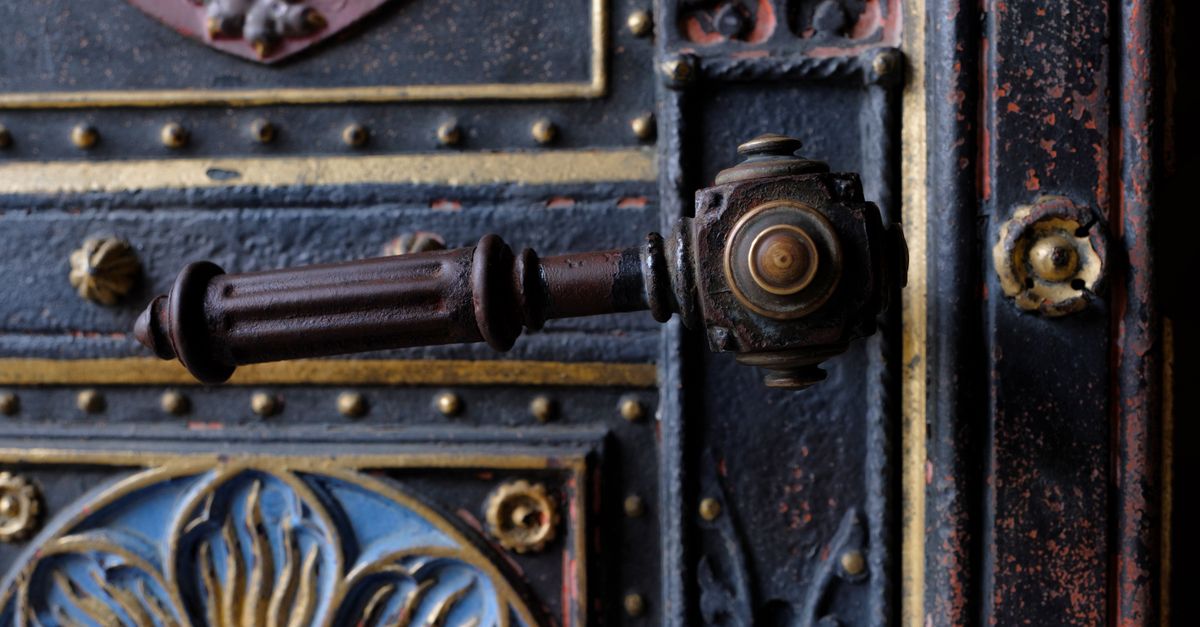
There are situations where a DIY fix is simply not enough. If your building uses a mortise lock — the older, recessed lock body common in Toronto's pre-war apartment buildings and heritage properties — you should have it inspected and serviced by an experienced locksmith. Mortise locks are more complex than standard cylindrical locks, and when they wear out or are improperly keyed, they can fail in ways that leave your door either impossible to open or impossible to lock. A trained locksmith who specialises in mortise lock work can rekey the cylinder, replace worn components, and ensure the lock operates smoothly without replacing the entire unit, which is important in heritage buildings where the original hardware may be protected.
Rekeying is the single most important security step a new renter can take, and it's worth understanding what it actually involves. When a locksmith rekeys a lock, they disassemble the cylinder and replace the internal pins so that only a new key will operate it. The lock hardware itself stays in place — which means your landlord has no reason to object if you make the request formally and agree to provide them with a copy of the new key, as Ontario's Residential Tenancies Act allows tenants to change or add locks with proper notice. This is not the same as picking a lock or bypassing the mechanism — it's a clean, professional process that typically takes minutes per lock. The factors that affect the final cost include the type of lock (a mortise lock cylinder takes more time than a standard deadbolt), the number of locks being rekeyed, and the time of day. Our team confirms an exact price before any work begins, so there are no surprises. If you're unsure about your rights or your landlord's requirements, a quick call to our team can help you think through the right approach — reach us anytime at (437) 476-0564.
## Keypad and Smart Lock Options for Renters — And What to Know Before You Switch
Keypad door locks have become popular with Toronto renters who want to avoid carrying keys or who share access with roommates. If you already have one installed, knowing how to change the code on your keypad door lock is essential — especially when a roommate moves out or after any security concern. Most keypad models follow a similar process: press and hold the programming button, enter the current master code, then enter the new code twice to confirm. The exact steps vary by manufacturer, so always check the manual specific to your model. Changing your door lock code after any change in who has access is a basic habit worth building.
Before you swap a standard deadbolt for a keypad unit in a rental, check your lease. Some leases prohibit changing door locks without consent, even if you plan to restore them later. The better approach is to ask your landlord directly — many will agree, especially if you offer to return the original hardware when you leave. If your building's main entrance or unit door uses a mortise lock, a keypad retrofit may not be straightforward; some mortise lock cylinders can accept a smart cylinder insert, but this is a job for a skilled locksmith rather than a DIY project. A poorly fitted smart cylinder in a mortise lock body can cause internal mechanism damage that affects the whole door.
## Emergency Locksmith Access in Toronto: What to Do If You're Locked Out
Getting locked out of your Toronto apartment is more common than most people expect — and more stressful at midnight in January on a North York side street than it sounds in the abstract. If you find yourself locked out, start with the basics: check whether any other entrance to the unit is accessible, contact your building superintendent if your building has one, or reach a trusted person who may hold a spare key. Do not attempt to force or pick the lock yourself. Techniques like picking a door knob lock or using improvised tools to bypass a deadbolt risk damaging the lock mechanism, making a professional repair more involved and potentially creating liability with your landlord.
If none of those options work, a 24/7 emergency locksmith is the right call. Our team operates across the Toronto area at all hours — because lock emergencies don't follow business hours. When you call, we'll confirm your identity and connection to the unit before any work is done, which is standard practice for any responsible locksmith. For commercial properties and businesses in Toronto that need after-hours access restored, our commercial locksmith service handles everything from high-security cylinder replacement to mortise lock repair on office and retail doors. Whatever the situation — residential lockout, commercial door malfunction, or a lock that simply won't turn — call (437) 476-0564 and we'll give you an honest assessment and a clear price before we start.
## A Quick Apartment Door Security Checklist for Toronto Renters
Here is a practical rundown of the security services and upgrades covered in this guide, plus additional options worth knowing about: mortise lock inspection and rekeying; standard deadbolt rekeying; door knob lock assessment and upgrade advice; keypad door lock programming and code changes; high-security cylinder installation; door reinforcement plate fitting; strike plate upgrade with long-throw screws; chain lock installation; portable security bar setup guidance; wide-angle peephole installation; door alarm sensor placement; spare key management and controlled key duplication; master key system setup for landlords; lock replacement after a break-in; sliding door lock reinforcement; window lock inspection; intercom and buzzer system coordination; mailbox lock replacement; garage door lock service; padlock assessment for storage units; lock lubrication and maintenance; door frame assessment for kick-in risk; smart lock retrofit consultation; commercial locksmith door audit for Toronto businesses; emergency lockout service across the Toronto area; after-hours mortise lock repair; and lock-state documentation for move-in and move-out records. Whether you need one of these or several, our mobile team can come to you — no shop visit required.
Frequently asked questions
Can my Toronto landlord refuse to let me rekey my apartment lock?+
Under Ontario's Residential Tenancies Act, tenants generally have the right to change or add locks with proper notice to the landlord, and landlords must be provided with a copy of the new key. In practice, most landlords have no objection to a professional rekeying because the hardware stays the same and only the key changes. If you want to avoid any friction, put the request in writing, explain that you're using a trained locksmith, and offer to share the new key immediately. Our team can walk you through the process when you call.
How do I know if my apartment has a mortise lock, and does it need special service?+
A mortise lock is recessed into the edge of the door rather than sitting on the surface like a standard cylindrical lock. If your door has an older, rectangular escutcheon plate with a lever handle and a separate keyhole, it almost certainly has a mortise lock body inside. Mortise locks require a skilled locksmith for rekeying and repair because the internal mechanism is significantly more complex than a standard deadbolt. Attempting to rekey or adjust a mortise lock without the right tools and experience can damage the lock body permanently.
What factors affect the cost of rekeying or changing a lock in a Toronto apartment?+
Several things determine the final price: the type of lock involved (a mortise lock cylinder takes more time and skill than a standard deadbolt), the number of locks being serviced in one visit, whether any parts need to be replaced rather than simply rekeyed, the time of day (after-hours and emergency calls involve different logistics), and travel distance to your location within the Toronto area. We always confirm an exact price with you before any work begins, so you know exactly what to expect.
Is it safe to try to pick my apartment door lock if I'm locked out?+
No — and not just for security reasons. Attempting to pick a door knob lock or any lock without proper training and tools can damage the internal pins and cylinder, which may make the door impossible to open even with the correct key afterward. It can also create issues with your landlord if the lock needs to be replaced as a result. The right steps are: check for a spare key with a trusted person, contact your building superintendent, and if neither option is available, call a 24/7 emergency locksmith. Our team is available around the clock at (437) 476-0564 and will verify your identity and connection to the unit before doing any work.